
I’ve spent most of my adult life outside the U.S. Back in the 1990s, I went to Mexico and Central America. By the 2000s, I was in Asia, and by the mid-2010s, I was back in Mexico on and off for a few years. Since I’m not a trust fund baby, I had to work and earn money while traveling. No work was no food, no place to sleep.
One of the goto jobs for anyone trying to make a living outside the US is English teaching. I could, and maybe I should, write a whole series of posts about English teaching, but I’ll spare all of you today. English teaching attracts a certain type of person for sure. Back then it was a very motley bunch of people. Everyone had their own reasons for teaching English and very rarely was it because they enjoyed teaching English.
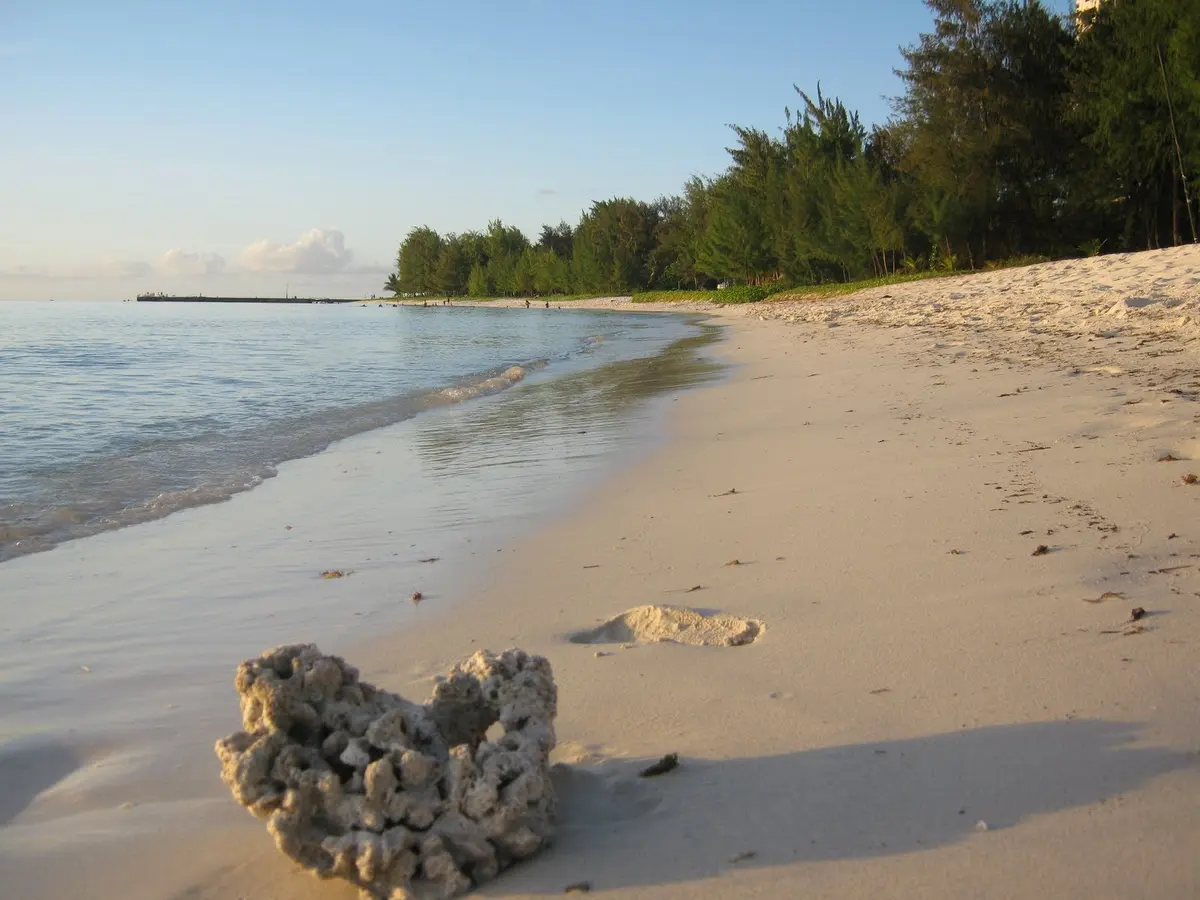
Most English teachers in the 1990s and early 2000s wanted a different kind of job. They had been doing other jobs back home before falling into teaching English, but once abroad, all of that meant very little. Working online and being a digital nomad wasn’t a common thing for sure. The term digital nomad didn’t even exist, but the dream of working on a beach with a laptop was already alive in people’s minds. Unfortunately, the infrasrructure just wasn’t there.
In 2005 Thailand, Wi-Fi was available and somewhat common. Battery life and access to power outlets weren’t. Home internet was even harder to get. If you were a foreigner living there then you were at the internet cafe when you needed to get online. You would get a computer that had problems and likely had viruses and the internet was so slow. Doing digital nomad work that way was almost impossible. Suprisingly though there were Thai girls who managed to do it. They had multiple foreign boyfriends sending them money. Seriosuly. You’re probably not shocked to find out that a lot of us English teachers envied them.
Back then I ran a few small projects that made money online. They didn’t replace my teaching salary, but they helped. The first computer I bought for the house was an old IBM Desktop that worked well enough and that was 2005. It was cheap and mostly usable, but what good was a computer without internet? There was no Wi-Fi in my apartment, so I figured out how to connect my Motorola V220 phone to the computer with a USB cable and use it as a cellular modem. I learned the dialing commands in Ubuntu Linux and got it online through the phone.
You might think it was blazing fast. Nope. It was GPRS. Some people call that 1G data, but that’s not accurate. The real first-generation data was a crude, dial-up-like connection—I used that too. GPRS could hit around 5 KB per second, about as good as fast dialup or maybe a little better. EDGE (2.5G), was much faster, but my phone didn’t support it, and the network in my area didn’t have it anyway.
I had been using a Squid Proxy Server on a US VPS to get around Thai government website blocks until my VPS server shut me down and told me not to use Squid but use something else. That got me experimenting with SOCKS5 over SSH. That was like the holy grail to me. I could bypass restrictions and when I added compression, I could actually feel a speed boost. It was still slow, but it stayed stable. Best of all, I could count on a miserably slow but stables speed since I was probably the only person using data on that cell tower.
I used AIS back then because they offered a special SIM deal. If you loaded at least 300 baht a month then you got a massive number of free data hours each month. I had bought three of those SIMs and that gave me almost unlimited data for 900 baht a month. I was using my computer overnight connected on the tiny cellular modem and downloading torrents. Yeah they take forever at 2 to 3kb/s but that was about 9MB in 1 hour. 3 days got you a movie.
By 2006, I bought a laptop and used the same connection. Having a laptop let me work anywhere, theoretically. In practice, it didn’t really happen. Laptops were lucky to last 2 hours on battery.
With internet and hardware like that, no one could really work on a beach and earn money. Things are completely different now. Tools exist now to help just about anyone work online. Mobile hotspots, cloud tools, and laptops with all-day batteries make it not only possible but easy. After spending time abroad recently in the Philippines, I’ve started looking again at the tools to work abroad and just how feasible it is to work on a beach with a laptop.